Quick Ideas to Brighten a Dark Room and Refresh Your Space
A dark room can feel cramped, gloomy, and less inviting. Fortunately, there are many quick and affordable ways to enhance your space’s brightness without major renovations. Whether it’s a living room, bedroom, or office, these ideas can make a noticeable difference in how light and cheerful your room feels. In this post, we’ll explore practical tips ranging from lighting upgrades to color adjustments and layout changes.
Why Brighten a Dark Room?
A brighter room can improve mood, increase productivity, and make the space feel larger. Natural light isn’t always an option, especially in rooms with small windows or limited sun exposure. But with a few smart changes, you can create a lighter atmosphere that welcomes you home.
1. Maximize Natural Light
Even the darkest room usually has some natural light source. Enhancing this light is the first step.
– Remove heavy curtains: Replace thick, dark drapes with sheer or light-colored curtains to let more sunlight in.
– Clean windows: Clean windows allow more light to pass through, making a bigger difference than you might expect.
– Use reflective surfaces: Mirrors and glass furniture reflect natural light, amplifying brightness.
– Trim outside plants: If trees or bushes block light, consider trimming them back to open the view.
2. Choose Light, Neutral Colors
Color plays a huge role in how light or dark a room feels.
– Paint walls a light color: Whites, creams, pale grays, and soft pastels reflect light. Avoid dark or overly saturated shades on large surfaces.
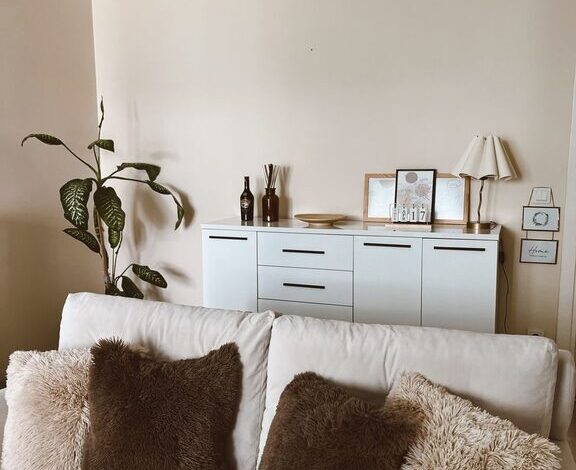
– Light-colored furniture: Opt for sofas, chairs, and tables in light tones to keep the room feeling open.
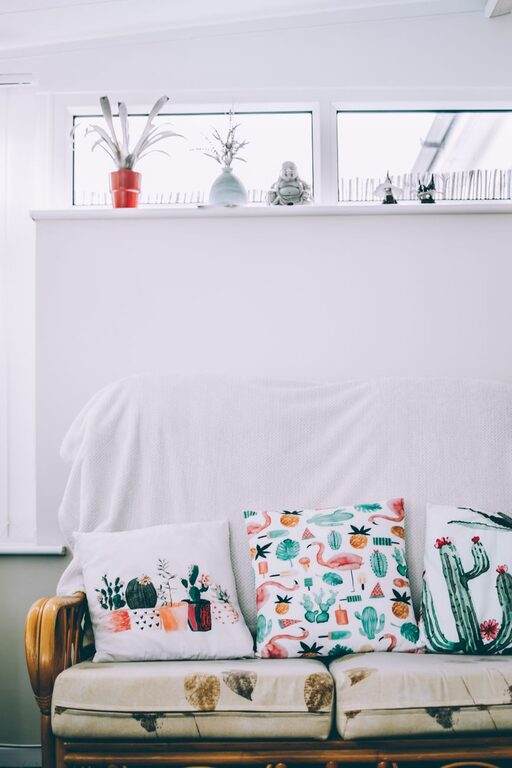
– Use bright accents: Add pops of cheerful colors like sunny yellows or soft blues that reflect light rather than absorb it.
3. Upgrade Your Lighting Fixtures
Good lighting layers can transform any space, especially when natural light is limited.
– Install ceiling lights: A bright overhead fixture with a warm color temperature (around 2700K to 3000K) can provide general illumination.
– Add task lighting: Table lamps and floor lamps brighten specific areas, making the room feel lively and functional.
– Use LED bulbs: LEDs are energy efficient and come in various brightness levels and colors. Choose higher lumens for more illumination.
– Consider wall sconces: They add ambient light and free up floor space.
4. Use Mirrors Strategically
Mirrors help bounce light around the room, doubling the effect of any existing light source.
– Place a large mirror opposite a window: This setup captures and reflects natural light.
– Use multiple small mirrors: Create a mirror gallery wall for a decorative and practical light boost.
– Choose mirrors with decorative frames: They add style while enhancing brightness.
5. Declutter and Organize
A cluttered room can feel darker and more cramped.
– Keep surfaces clear: Minimal objects on tables, shelves, and counters allow light to flow unobstructed.
– Use open storage: Glass-front cabinets and open shelving avoid heavy dark blocks that absorb light.
– Organize with light-colored containers: Clear or white baskets and boxes keep things tidy without adding visual weight.
6. Opt for Light Flooring and Rugs
Flooring contributes significantly to a room’s overall brightness.
– Install lighter floors: If possible, choose hardwood or laminate in light tones like oak, maple, or ash.
– Add light-colored rugs: Rugs in whites, creams, or pastel tones reflect light and soften the space.
– Avoid dark, heavy rugs: They tend to absorb light and make a room feel smaller.
7. Bring in Reflective and Metallic Accents
These small details catch and amplify light throughout the room.
– Decorate with metallic finishes: Silver, gold, brass, and chrome elements add shimmer.
– Use glossy paint or wallpaper: A subtle sheen can reflect light without being overwhelming.
– Glass and crystal accessories: Vases, chandeliers, and decorative objects enhance brightness naturally.
8. Rearrange Furniture to Open the Space
How you place furniture affects light distribution and room flow.
– Keep pathways clear: Avoid blocking windows or light sources with bulky furniture.
– Float furniture away from walls: This allows light to move around and creates a sense of openness.
– Face seating toward the light: Position chairs and sofas to enjoy natural or lamp light, making the room feel more welcoming.
9. Add Plants for a Fresh Look
Plants don’t increase brightness directly but improve the room’s ambiance.
– Choose light-loving plants: Place them near windows to encourage growth and vitality.
– Use white or light-colored pots: These reflect light and complement your brightened room.
– Plants with shiny leaves: Varieties like rubber plants or peace lilies reflect light on their glossy surfaces.
Final Thoughts
Brightening a dark room doesn’t have to be complicated or expensive. By combining simple changes—like updating window treatments, adding mirrors, switching to lighter colors, and improving lighting—you can create a refreshing space that feels airy and inviting. Try a few of these quick ideas today and enjoy the difference a brighter room can make in your daily life.